
Tags
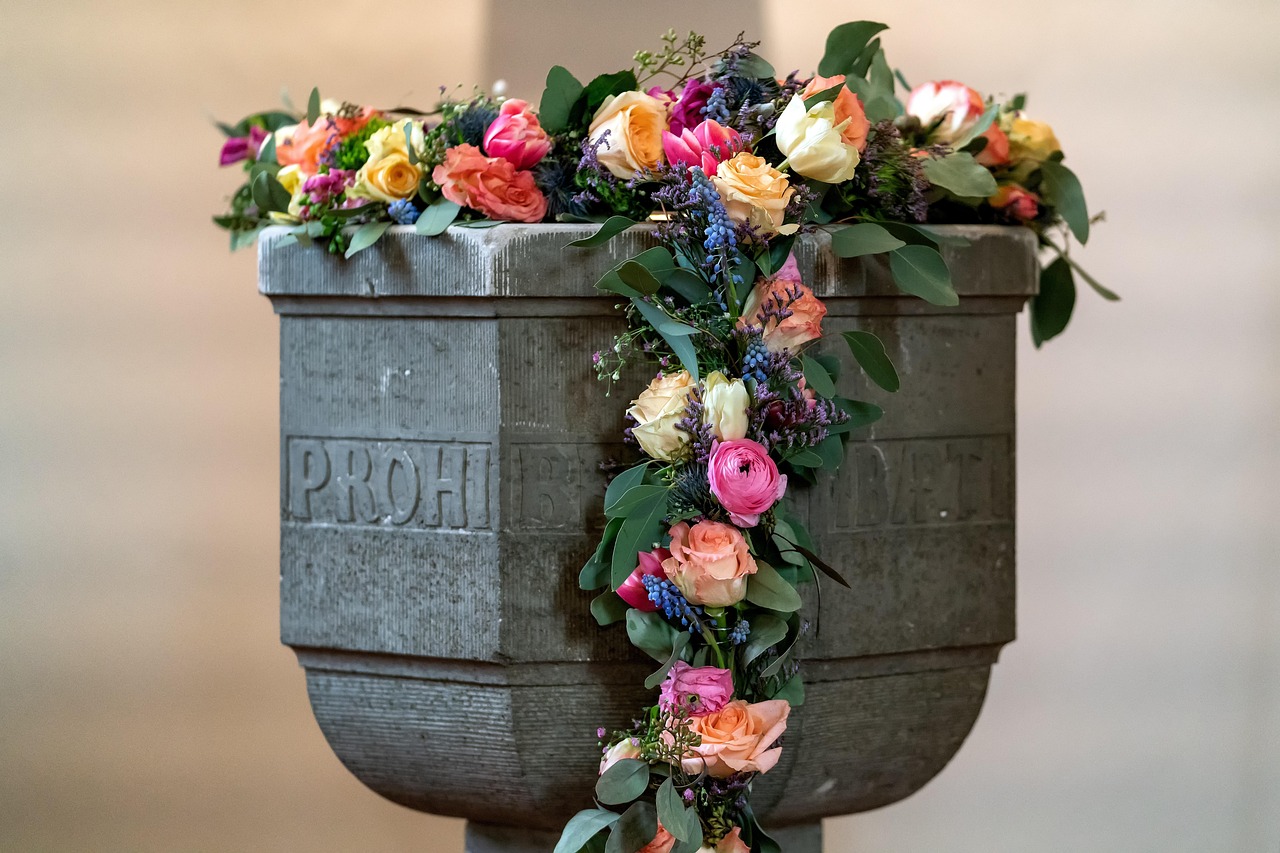
When I was a pastor in a local church, anytime we would baptize a child, I would always conclude the service of the baptismal covenant with what is called “Congregational Pledge #2,” which is found on page 44 of the United Methodist Hymnal. Here are the words that we, the people of God in that place would speak in unison together:
With God’s help we will so order our lives
after the example of Christ,
that this child, surrounded by steadfast love,
may be established in the faith,
and confirmed and strengthened in the way
that leads to life eternal.
These words represent a series of promises we made as individuals and as a body, promises that would determine how we would live at church in the world, promises that would guide us when we were together and when we were apart. These promises would help the world see who and whose we were.
Prior to making this pledge, I would tell the congregation that these words were the thirty-nine most important words in the hymnal, and that by saying them together, each of us would forfeit our ability ever say “I don’t have children in this church” or “My children are grown and live elsewhere,” or “I don’t have children at all.”
In the strange and wonderful way in which God forms families out of clay, God had formed, and was forming us as well. We were a family. These were our children.
Over the course of the last three decades, I have seen how this is brought to bear in ways at once beautiful, practical, and holy.
I once served a church that more or less created its own foster care system when a young single mother lived through a season where her three children could not live in the house with her, and a family in the church took those children into their own home and cared for them while we helped the mother to get the help she needed to be in a better place in her own life.
I can remember driving past a local ice cream parlor where one of our youth who was having a difficult relationship with his parents was meeting with another father in the church to talk though his situation one day after school.
I once served a church in a community that was booming with children but lacked adequate childcare. I can remember the moments after the meeting where we made the decision that we were going to create a preschool ourselves using classrooms in the church, and how afraid we were, how afraid I was that it all might not work. I looked at our layperson leading the project and asked “This is going to work, right?” and hearing him reply “Yeah. It’s going to work. I think it is going to work. We’ll see.”
We filled it the first year and staffed it mainly with people from the church, people who had sat in those sanctuary pews and made the promises enshrined in those thirty-nine words and then rose after the benediction and “so ordered their lives” and brought it all to bear.
With God’s help we will so order our lives after the example of Christ…
By its very nature, baptism both forms community and directs how that community lives in relation to the myriad communities that surround it. I once served in a rural farming community where a child was born to a mother in the church who had received no prenatal care, and the night her son was born, the physician in the ICU of the second hospital where the boy had been in the first few hours of his life told his grandmother and I that there was a seventy-five percent chance he would never leave the hospital.
I remember baptizing him, and how the young nurses in the ICU gathered around the plastic bassinet with the grandmother and me, to our left and to our right, and said those thirty-nine words together, making a promise to bear witness to God for that child for however long or short the road ahead turned out to be.
It turned out that this child defied the odds he was given and went home from the hospital, which afforded me the sacred blessing of standing in the pulpit the following Sunday and informing his congregation that promises had been made on our behalf, and it was now our responsibility to live them.
When I was a district superintendent, I was once asked in what disciplinary paragraph was it that I derived the authority to require local churches to participate in what is called Safer Sanctuaries training which exists to protect children and vulnerable adults from harm in our churches and communities.
I responded by saying “That authority does not reside in the Discipline. Instead, you will find it in the hymnal, in the baptismal liturgy, in the thirty-nine words wherein we promise to so order our lives for the sake of the baptized in our midst. Is this not what ‘so ordering’ looks like?”
In culture that has become so profoundly individualistic, one of God’s gifts the church can provide to the world is a true sense of us all being in this life together, where none of us are any better off than the least of us. This is what Dr. King was referring to when he said things such as “We are tied together in the single garment of destiny, caught in an inescapable network of mutuality” and “We must live together as brothers or perish together as fools.”
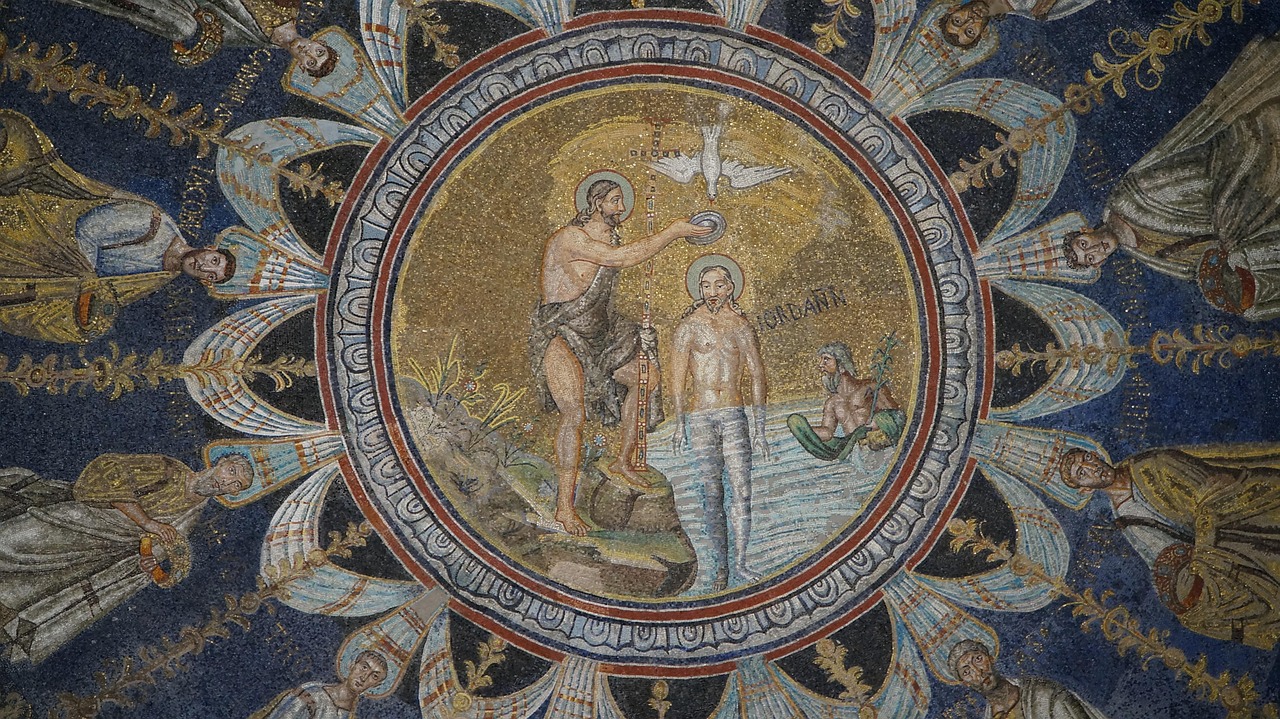
When we baptize anyone in the United Methodist Church, adult or child, we make a promise to “resist evil, injustice, and oppression in whatever forms they present themselves.” I wonder to what extent we have forgotten that these things are not merely antithetical to the gospel when they happen to us or someone we love. They are antithetical to the gospel when they happen at all. We are all wearing the same garment. We are all standing in the same water, and the crucified redeemer with whom God is well-pleased stands there with us.
Yesterday, children praying in a church sanctuary in Minneapolis were shot and killed by a gunman who fired at them through the stained glass windows. In situations like this one, situations that are far too common, and that continue their slow march towards being an accepted part of everyday life in this land, what is as heartbreaking as the loss of life is the way days like this obviate the ways in which adults regularly fail our world’s children. Childhood is supposed to be characterized by an abiding sense that “the grownups know what to do. The grownups will protect us.” When we fail in this regard, the tragedy extends even beyond the loss of precious life to the loss of an innocence rooted by design in an ability to trust those whose role and vocation it is to protect.
With God’s help we will so order our lives after the example of Christ…
I do not have the hubris to suggest that I alone know the way out of this battlefield in which we find ourselves. What I do know is that ordering our lives after the example of Christ means we make decisions, even do things differently if necessary for the sake of others, especially the vulnerable in our midst, just as Christ did and does. This includes how we live, speak, spend, prioritize, and vote.
Until we do, it strains credulity that the one whose example orders our lives is the same innocent, crucified redeemer who freely gives up his life so that we all may live.
The best advice I was ever given in regard to pastoral ministry, advice that binds clergy and laity alike, was given to me in the first month of my first pastoral appointment by my first district superintendent, the Rev. Mike Meloy. He called me to his office and told me this:
“When you say you are going to do something, it is important that you do it.”
May the same be true for the community of the baptized called the church, even here, even now.
 Going on to Imperfection